
2026 OPSYRIS Annual Meeting (Hybrid)
Friday 11th September 2026
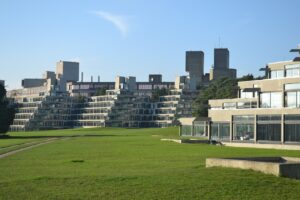
The University of East Anglia Enterprise Centre
Our 2026 theme:
Cognition and Emotion after Acquired Brain Injury: Clinical and Technological Advances
The 2026 hybrid meeting is available for both in-person and virtual attendance via Zoom.
Registration for OPSYRIS 2026 can be found on the following link:
>>>>>>> Registration <<<<<<<
Registrations cost between £25 and £60. Full pricing information can be found using the Registration link above. We will accept on the door in person registrations on the day at a cost of £65, made via bank transfer.
Please note, the registration deadline for conference dinner and in-person attendance has been now passed.
You may still purchase tickets for online attendance
The deadline for abstract submissions has now passed.
TRAVEL TO NORWICH: Norwich is easily accessible via public transport:
-
- Car: UEA is easily accessible by car via the A11 or A47, with clear signage directing drivers toward the campus as they approach Norwich. Please note: the conference is taking place on arrivals week and therefore parking on campus is extremely limited. Costs for visitor parking in the main UEA car park can also be expensive, exceeding £17.50. Delegates arriving by car are therefore strongly encouraged to avoid parking on-site and consider alternative options. We recommend parking at Costessey Park and Ride, providing a short bus ride to the campus. Details about the free park and ride service to the UEA campus as well as other transport links are available here. Delegates may also wish to consider the Triangle Car Park, which offers £1 all-day parking with a 25 minute walk from the enterprise centre. For those requiring accessible parking and for other parking information, see here. For those arriving via the A47, please be aware that Watton Road leading up to the university campus experiences heavy traffic between 8:30 and 9:00 on weekdays and may cause delays. This traffic can be partially avoided by parking at the Triangle Car Park, due to a dedicated turning lane for those entering the site.
- Train: Direct routes available from London Liverpool street (1hr 45min), Stansted airport (1hr 45min), Peterborough (1hr 28m) and Cambridge (1hr 11mins). Indirect routes include Manchester (4hr 24m), Edinburgh (5hr 40m), Cardiff (4hr 21m), Birmingham (3hr 47m), and Oxford (3hr 8m). Those arriving by train will need to take a blue line bus to reach campus.
- Plane: Norwich international airport is close by, offering direct flights to mainland Europe. Stansted airport has a direct train to Norwich too.
ACCOMODATION: We have a couple of recommendations for accommodation for OPSYRIS 26:
-
- Broadview Hotel (on campus): see details here
- George Hotel (on bus route to campus): see details here
Our keynote speakers
 Prof. Céline Gillebert is a clinical neuropsychologist and Professor of Neuropsychology at KU Leuven (Belgium). Her research focuses on cognitive and perceptual consequences of acquired brain injury, using neuroimaging, experimental methods, and immersive VR to advance mechanistic understanding and develop validated diagnostic and rehabilitation tools. She currently co-leads major projects on (impaired) cognition and XR-based neurorehabilitation, aiming to bridge cognitive neuroscience and clinical practice.
Provisional title: HEMIRehApp: An immersive VR serious game for the assessment and rehabilitation of spatial neglect
 Prof. Niall Broomfield is Head of the Department of Clinical Psychology and Psychological Therapies at Norwich Medical School and holds the Chair in Clinical Psychology at University of East Anglia. Niall’s research interests are in neuropsychological consequences of stroke (mood and cognition), modelling and treating post-stroke emotionalism and improving understanding of psychological adjustment to stroke, and behavioural sleep medicine – determining putative mechanisms of cognitive behavioural therapeutics for insomnia disorder.
Provisional title: Tears without sadness: exploring the clinical psychology of post-stroke emotionalism
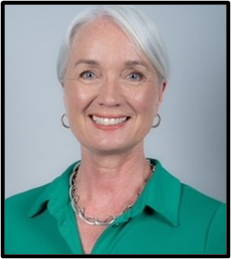 Dr. Nicola Hancock is Associate Pro-Vice-Chancellor for Innovation at the University of East Anglia and an Associate Professor in Physiotherapy. Her research and evaluation work focuses on personalised approaches to stroke and brain injury rehabilitation via technological innovation, self-management strategies, and innovative clinical service initiatives. She co-chairs the European Life After Stroke Forum Scientific Committee and leads the AbiliTec Network, promoting evidence-based approaches to rehabilitation technology.
Title: From Concept to Clinic: Guiding Principles for Technological Innovation in Neurorehabilitation
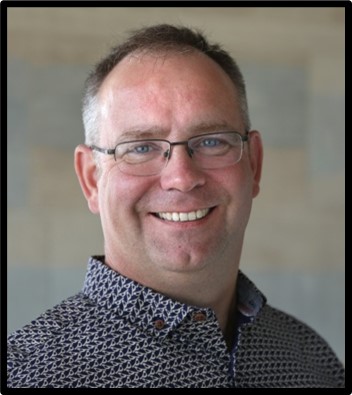 Prof. Andrew Bateman is a Professor in the School of Health and Social Care at the University of Essex and Chair of the United Kingdom Acquired Brain Injury Forum. His research spans neuropsychological rehabilitation, outcome measurement, and service quality improvement for people with acquired brain injury and related conditions, with a focus on translating evidence into rehabilitation practice and supporting holistic assessment, assistive technologies, and rehabilitation service innovation.
Title: How the NIHR can help OPSYRIS members achieve their research objectives?
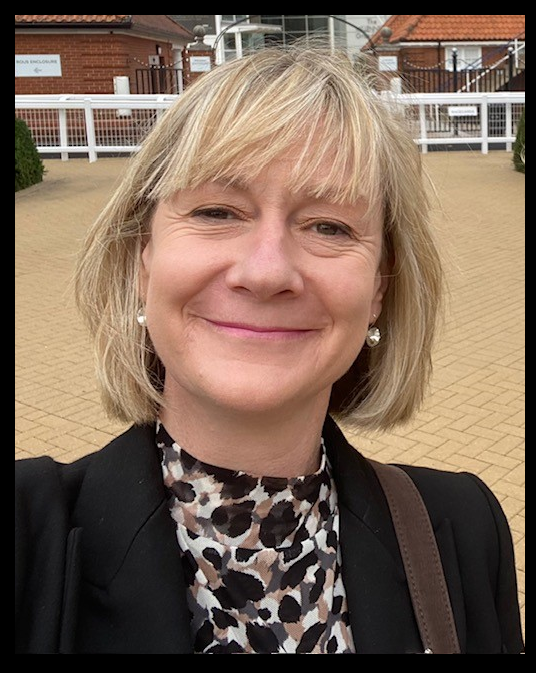 Dr Rebecca Fisher is Senior Research and Innovation Advisor at the Stroke Association, providing strategic leadership for stroke research, innovation and research funding. She is also Associate Director (Post-Acute) for the Sentinel Stroke National Audit Programme (SSNAP). Rebecca previously held leadership roles at NHS England and the University of Nottingham, where her research on stroke rehabilitation and community services helped shape national policy, clinical guidelines and service improvement across the UK
Title: The Stroke Association’s new research strategy
OUR OPSYRIS 2026 PROGRAMME
>>>>>> CLICK HERE TO DOWNLOAD THE CONFERENCE PROGRAM <<<<<<
| 08.30 – 09.20 | Registration, Posters & Refreshments |
| 09.20 – 09.30 | Welcome from OPSYRIS Chair (Dr. Stéphanie Rossit, University of East Anglia, UK) |
| Invited Symposium
Cognition and Emotion after Acquired Brain Injury: Clinical and Technological Advances |
|
| 09.30 – 09.50 | KEYNOTE ADDRESS – Dr Hanne Huygelier (Maastricht University, NL)
HEMIRehApp: An immersive VR serious game for the assessment and rehabilitation of spatial neglect |
| 09.50 – 10.05 | Dr. Nicola Hancock (University of East Anglia, UK)
From Concept to Clinic: Guiding Principles for Technological Innovation in Neurorehabilitation |
| 10.05 – 10.20 | Prof. Niall Broomfield (University of East Anglia, UK)
Tears without sadness: exploring the clinical psychology of post-stroke emotionalism |
| 10.20 – 10.30 | Discussion |
| 10.30 – 11.00 | Posters and refreshments |
|
Open Symposium 1: Assessments for Cognition and Emotion |
|
| 11.00 – 11.15 | Elise Palmans (KU Leuven, Belgium)
Heterogeneity in post-stroke executive dysfunction: differential impairments in updating, shifting and inhibition |
| 11.15 – 11.30 | Prof. Randi Starrfelt (University of Copenhagen, Denmark)
Cancellation task performance in chronic posterior stroke – the challenge of interpretation |
| 11.30 – 11.45 | Dr. Joshua Blake (University of East Anglia, UK)
Anxiety Intensity Scale Circles (AISCs) and the Yale-anxiety: exploring the validity of two anxiety screens and Natural Language Processing in stroke |
| 11.45 – 12.00 | Kellsey McCann (University of East Anglia, UK)
A Professional Consensus on Suicidality Assessment in Aphasia: A Delphi Study (SAADS) |
| 12.00 – 12.15 | Jacob Stoumann Fosgrau (University of Copenhagen, Denmark)
Stroke survivors’ experiences of cognitive assessment and related clinical interactions: a qualitative systematic review |
| 12.15 – 13.15 | Posters & Lunch |
| 13.15 – 13.30 | OPSYRIS AGM |
| Workshops: Research funding opportunities | |
| 13.30 – 13.45 | Dr. Rebecca Fisher (The Stroke Association)
The Stroke Association’s new research strategy |
| 13.45 – 14.00 | Prof Andrew Bateman (University of Essex, UK)
How NIHR can help OPSYRIS members achieve their research objectives |
|
Open Symposium 2: Cognitive and Mood interventions |
|
| 14.00 – 14.15 | Dr. Emma Patchwood (University of Manchester, UK)
Wellbeing After Stroke-2 (WAterS-2): a feasibility study with process evaluation exploring inclusive, accessible, online psychological support after stroke |
| 14.15 – 14.30 | Dr. Yidian Gao (University of East Anglia, UK)
Spatial Inattention Grasping Therapy (SIGHT) for rehabilitation of spatial neglect post-stroke: a randomised-controlled multicentre efficacy trial with embedded mechanistic study of determinants of therapy response |
| 14.30 – 14.45 | Dr. Jessica Tamiazzo (Universitat Autònoma de Barcelona, Spain)
An Enriched Environment Incorporating Leisure and Music Activities in Inpatient Stroke Rehabilitation: A Randomized Controlled Trial Assessing Cognitive, Emotional, and Motor Outcomes and Intervention Moderators |
| 14.45 – 15.00 | Larissa Orta Castaneda (University of East Anglia, UK)
Assessing the Clinical Feasibility of the AI-guided EyeFocus App for Attention Rehabilitation in ABI – trial update |
| 15.00 – 15.30 | Posters & Refreshments |
|
Open Symposium 3: Stroke survivor perspectives & service development |
|
| 15.30 – 15.45 | RISING STAR AWARD: Dr. Madeleine Harrison (University of Sheffield, UK)
Communication Training for UK Stroke Staff: A National Survey Exploring Current Provision, Training Needs and Implementation Factors |
| 15.45 – 16.00 | Dr Samantha Barton (University of Nottingham, UK)
Using Nominal Group Technique to establish the priorities for developing a mood care pathway for people with a Transient Ischaemic Attack |
| 16.00 – 16.15 | Dr Anima Rana (University of India, India)
A study of behaviour attitude and perception of caregiver towards stroke survivor |
| 16.15 – 16.30 | Dr. Chloe Webb (University of Nottingham, UK)
Exploring factors relating to Post-Traumatic Stress Disorder (PTSD) Symptoms and Mood Problems in People following a Transient Ischaemic Attack (TIA) |
| 16.30 – 16.45 | Alice Gordon (Ulster University, Ireland)
International cross-sectional survey exploring psychological impact of young stroke |
| 16.45 – 17.00 | BEST POSTER AWARD announcement & closing remarks from OPSYRIS Chair |
Poster presentations
| Poster Presentations (online) | ||
| Poster number | First Author and Affiliations | Title |
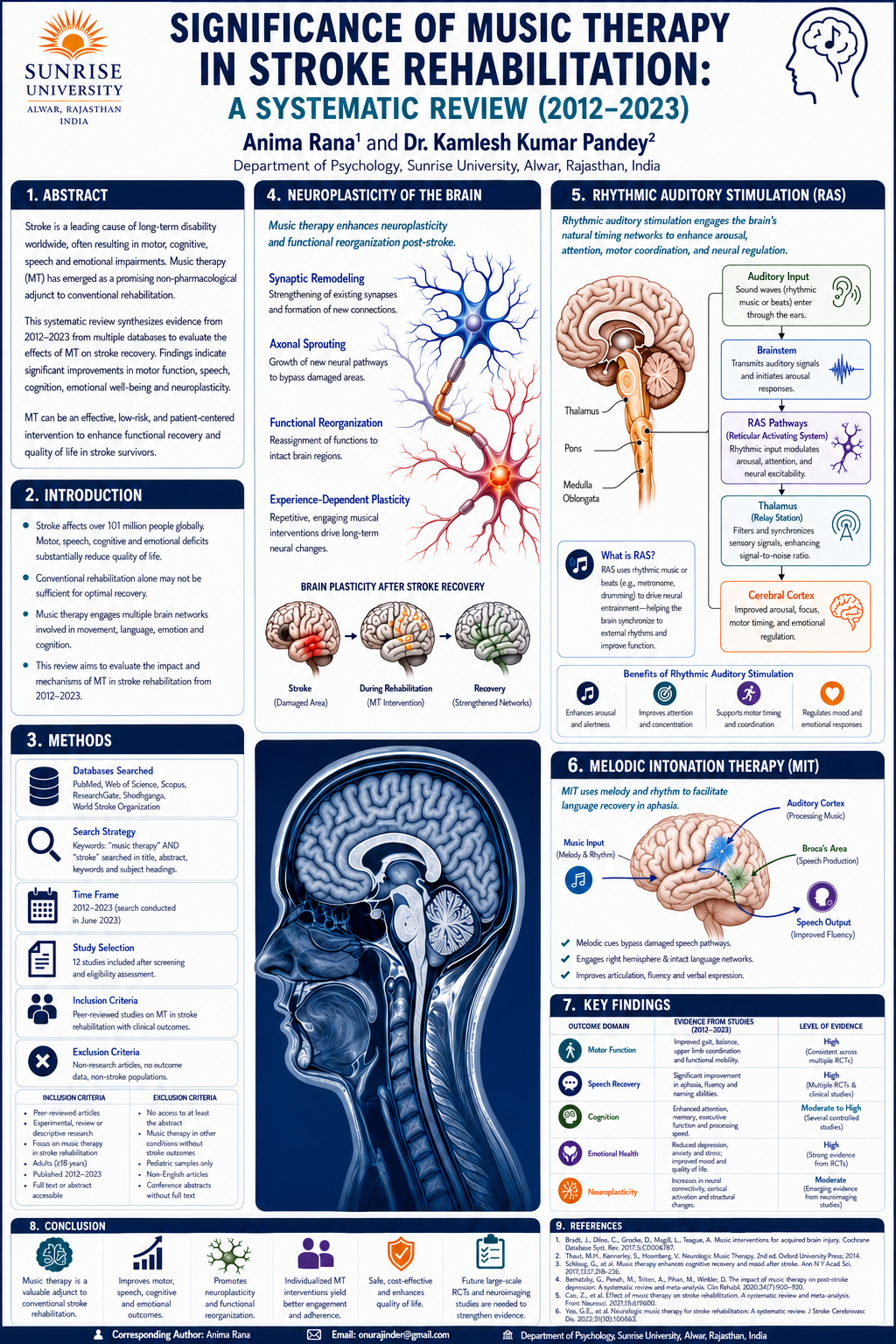
| 19 | Dr Anima Rana, University of India | Significance of Music Therapy in stroke rehabilitation |
| 20 | Dr Toby Cushing, Tyne and Wear NHS Foundation Trust | Psychological Approaches After Stroke Training (PAAST) |
| 21 | Thanyaporn Limkriangkrai, Bumrungrad International Hospital | From Responsiveness to Relational Connection: Music Therapy Songwriting in Acute Traumatic Subarachnoid Hemorrhage |
| 22 | HyeKyung Kim, University Yangsan Hospital, Republic of Korea | From Caregiver Reflection to Patient Self-Insight: A Multidisciplinary Approach to Developing a Patient Self-Report Functional Communication Tool for Adults with Acquired Communication Disorders following Acquired Brain Injury (Work in Progress) |
| 23 | Jessica Webb, University of Lincoln | Factors Influencing the Implementation of a Stepped Approach to Psychological Care in Stroke |

20th Anniversary Celebration Dinner
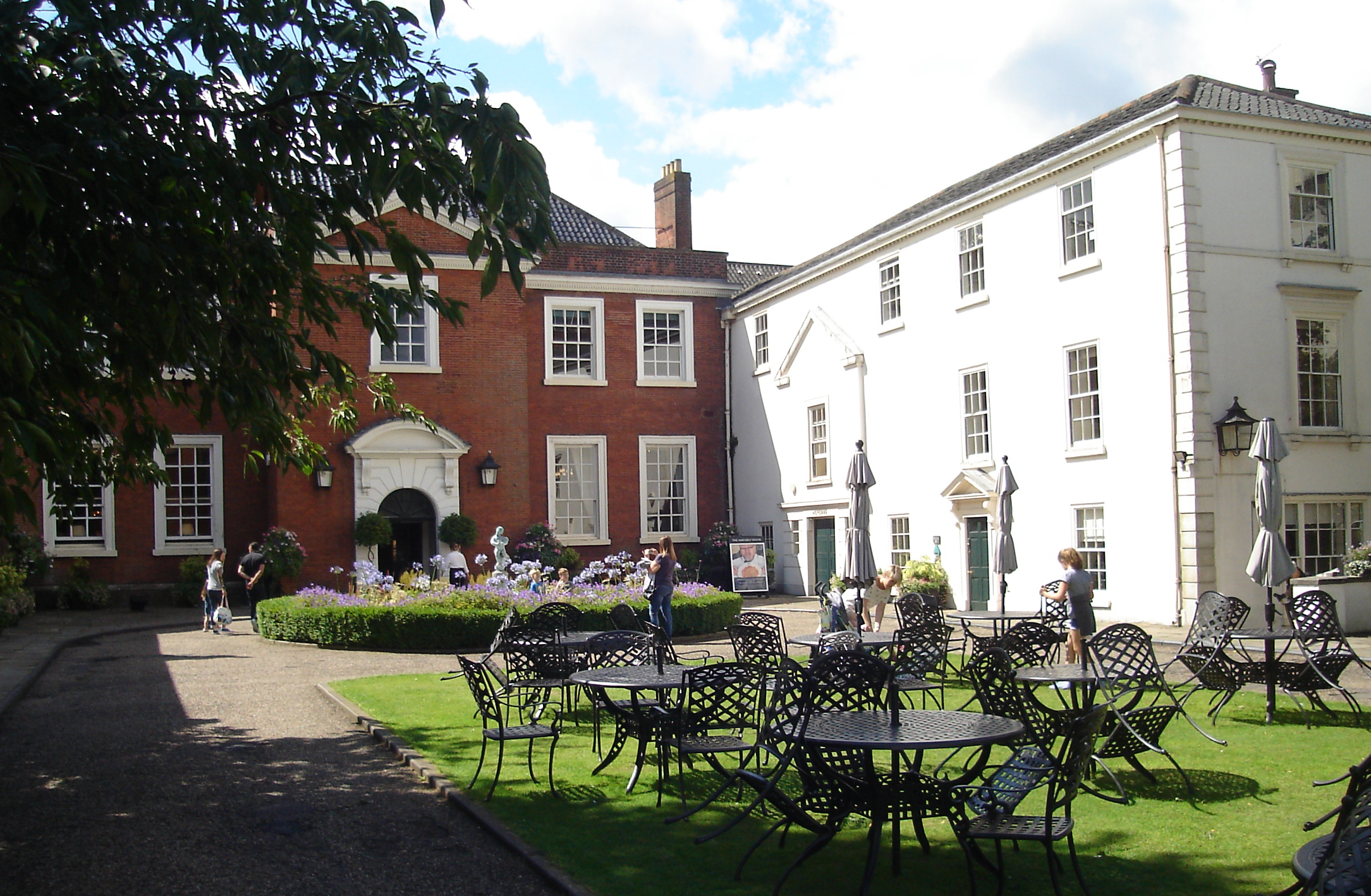
Come celebrate with us and enjoy dinner and live entertainment at Norwich Assembly House, a beautiful venue in the heart of the city.
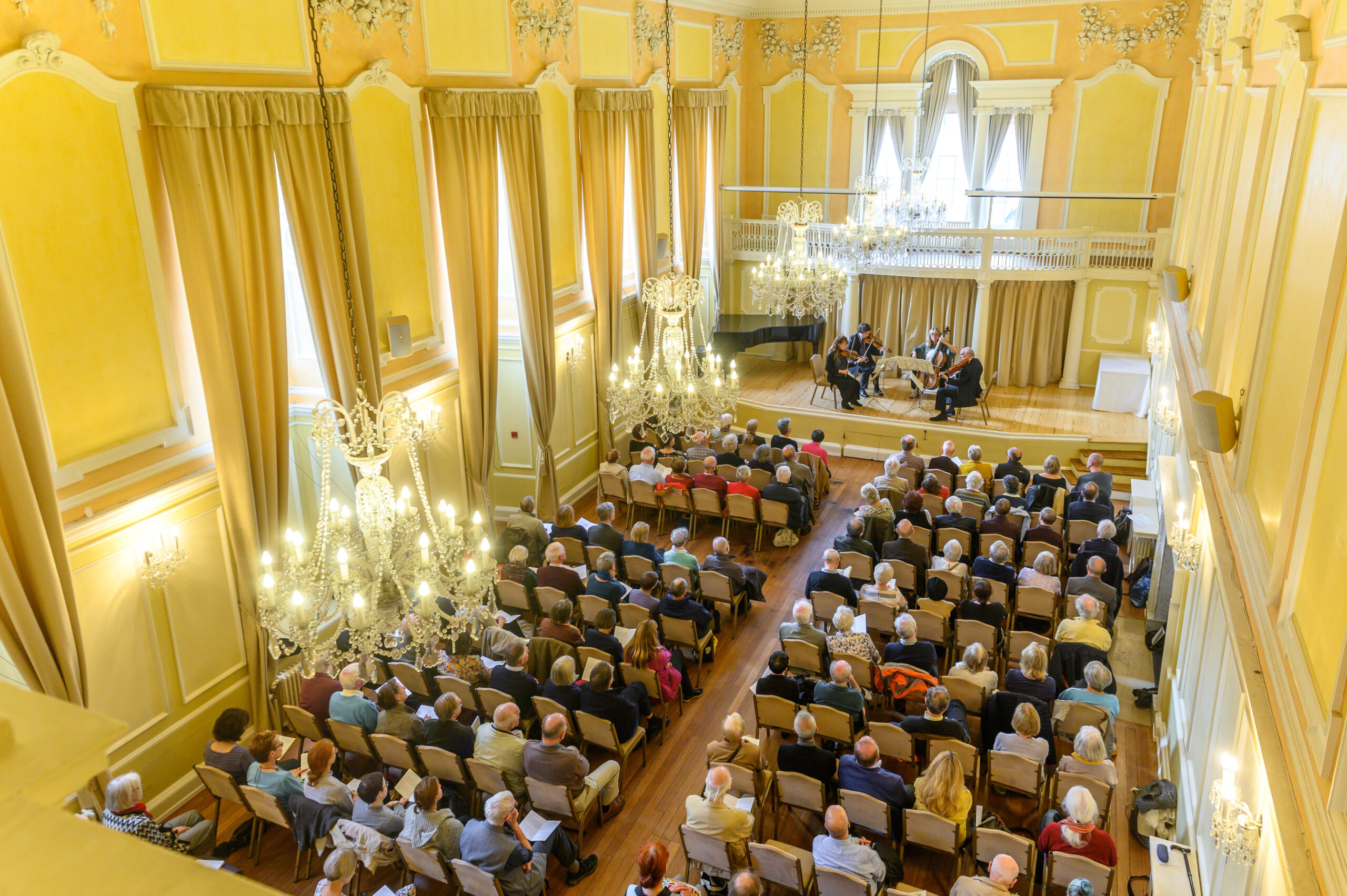
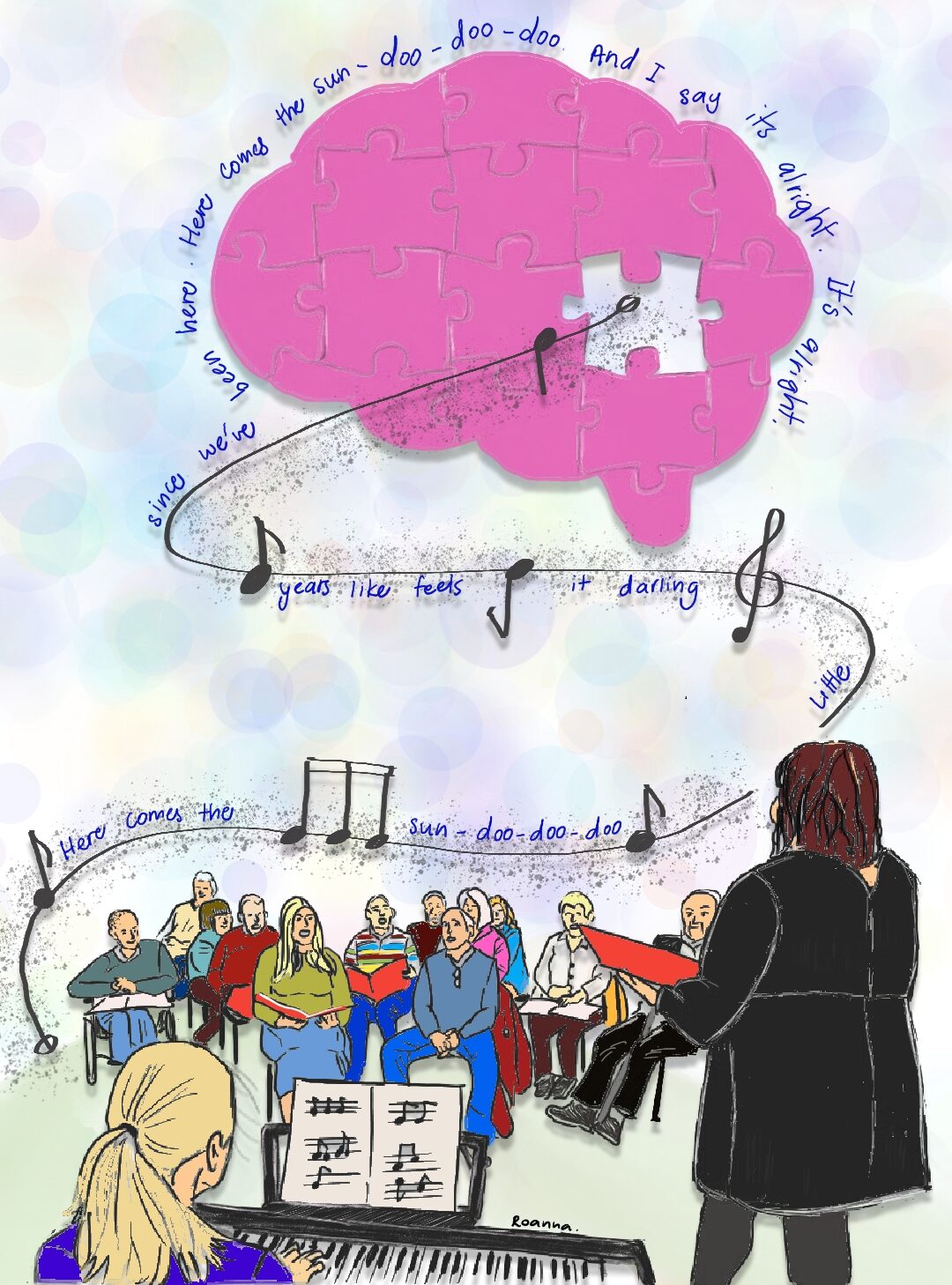
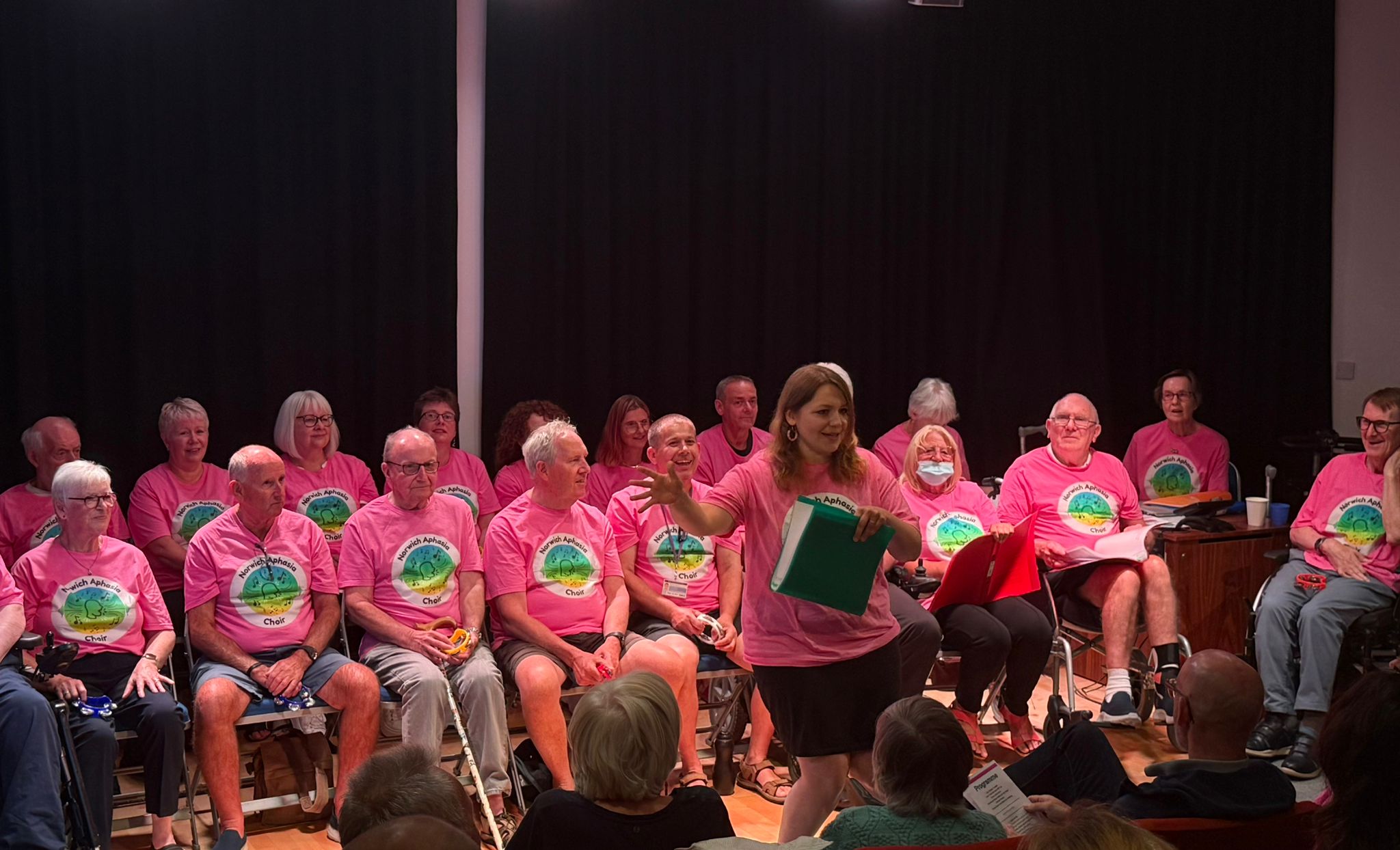
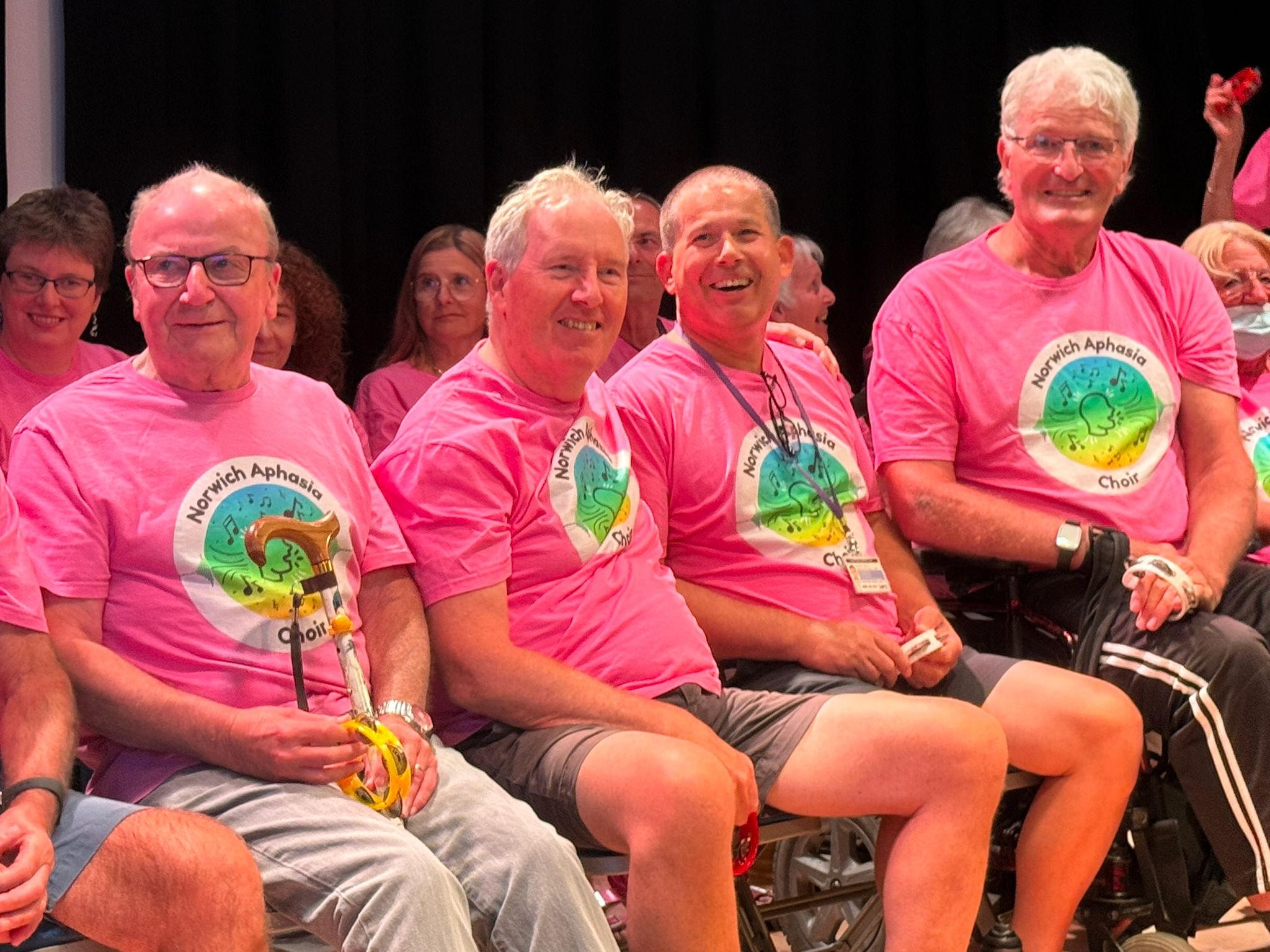
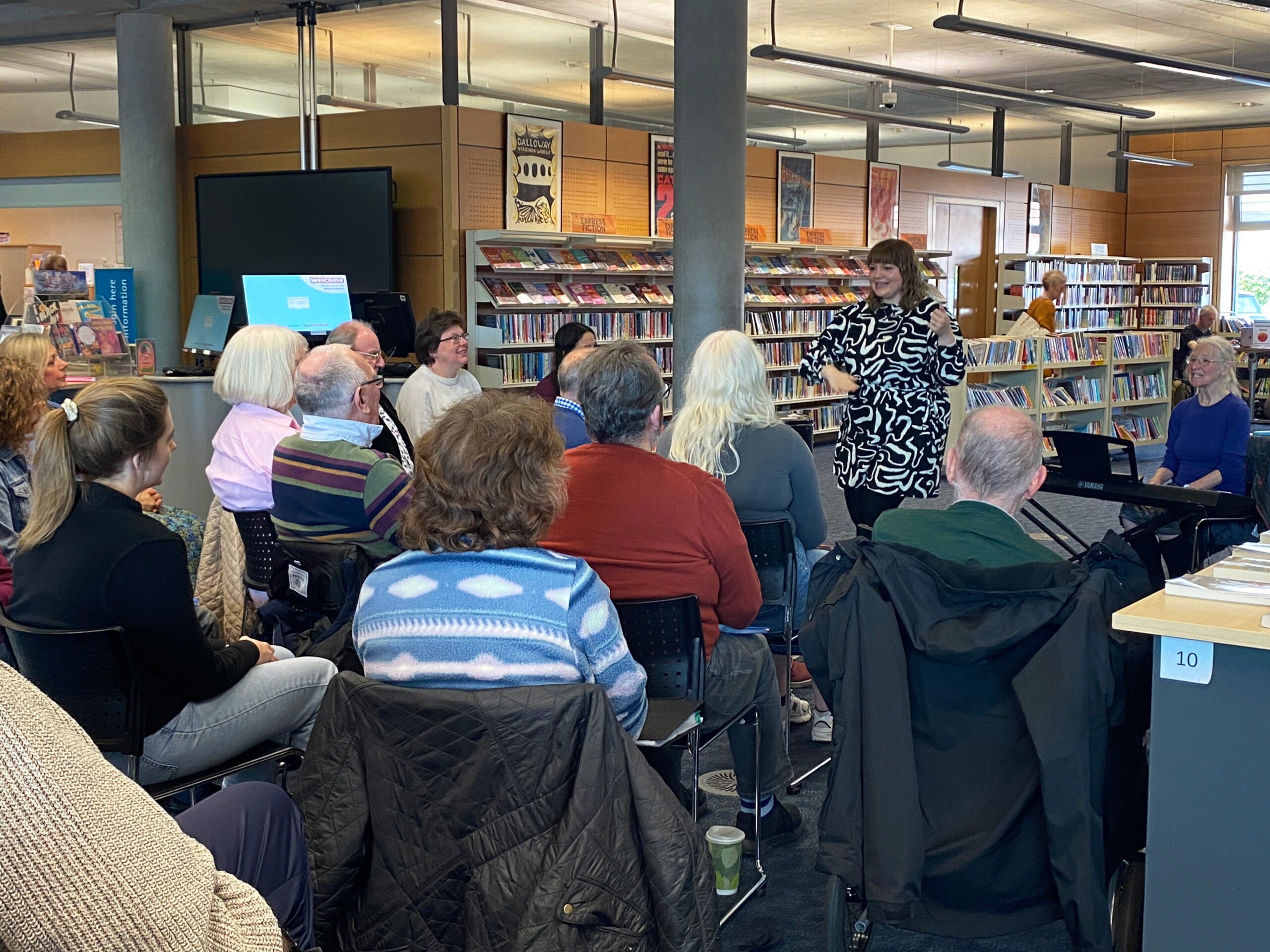
We are delighted to announce that the celebration dinner will include a live performance from the Norwich Aphasia Choir. Norwich Aphasia Choir is a singing group for people with aphasia. The choir started in 2024, and was set up by Speech and Language Therapist and Lecturer at UEA, Elissa Manzi. The choir members have aphasia as a result of either stroke, traumatic brain injury or rare language-led dementias. Family members are also welcome to join in.
The event kicks off at 7:30 on Thursday 10th September. Tickets cost £45 and can be purchased alongside your OPSYRIS registration on Eventbrite.